Humanitarian Archives and Records across the world are at risk
The Humanitarian Archive Emergency (HAE) project responds to the growing risk of loss affecting digital archives, records, and datasets related to humanitarian response and global health. Funding cuts, organisational instability, and fragile digital infrastructures mean that essential knowledge produced across these sectors is increasingly vulnerable to disappearance, corruption, or technological obsolescence.
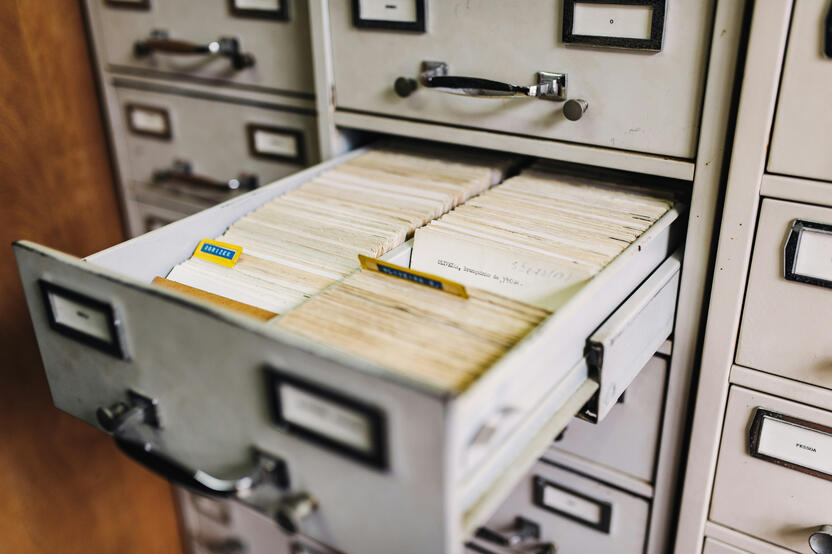
Registry
A crowdsourced list of humanitarian records, archives, and databases.

Sustainable Records Commitment Statement
A commitment for academics, organisations, and governments to safekeep their records.
Landscape Report
A report on the current landscape of at-risk archives across the world.
Publications & Reading
A collection of the output publications from this project.
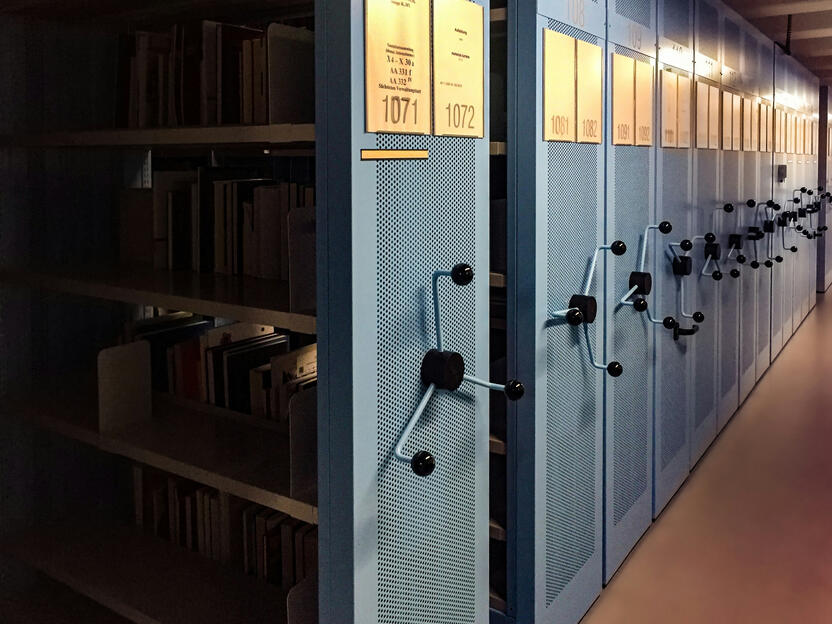
Humanitarian Archive Collection
The Internet Archive's free store for humanitarian databases.

Digital Archiving Toolkit
A practical guide on how to create sustainable and accessible digital records and archives.
About the Humanitarian Archive Emergency Coalition
The Humanitarian Archive Emergency (HAE) project responds to the growing risk of loss affecting digital archives, records, and datasets related to humanitarian response and global health. Funding cuts, organisational instability, and fragile digital infrastructures mean that essential knowledge produced across these sectors is increasingly vulnerable to disappearance, corruption, or technological obsolescence.Digital materials require stable systems and expert stewardship to remain accessible over time. When institutions close, shift priorities, or lose key staff, these records become particularly at risk, and only a small number of organisations currently have the capacity to preserve them effectively.This programme aims to strategically respond to this crisis by convening and consolidating global efforts focused on archives and essential records (AER). It seeks to establish a census of AER at risk, develop mechanisms for their reporting and sustainable rescue, create an ethical approach to triage, and shape a medium‑term strategy to address the issue.The University of Manchester (UoM) team consists of the Principal Investigator, Bertrand Taithe; the Project Manager, Stephanie Rinaldi; Archivists Flora Chatt and Courtney Stickland; and the Curatorial Assistant, Titilayo Adeosun. Elrha is the project’s collaborating partner, with Ian Brightwell (Research Project Manager) as the main point of contact.The project also benefits from the generous support of our diverse and engaged Steering Committee (SC). Details on the members and their organisations can be found below.
Steering Committee Members













Implementing Partners



Project Funders

Humanitarian Archive Emergency Registry
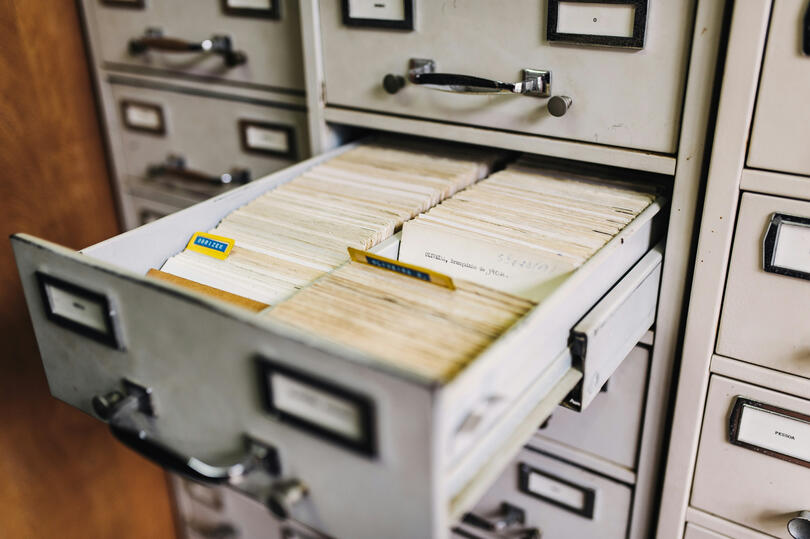
Humanitarian knowledge is disappearing – often quietly, and often for good. Across the sector, funding cuts, conflict, and failing digital infrastructure are leading to the loss of operational records, beneficiary data, protection documentation, evaluations, and institutional memory. In particular, archives held by local and national organisations – especially in fragile and low-income settings – are the most vulnerable, and the least protected.This is what we’re calling the Humanitarian Archive Emergency. A key first step to address this emergency is to identify what knowledge exists, and what’s at risk. This public registry allows us to collectively assess scope and scale of humanitarian archives, records, and datasets.
Please add databases that you own, use, or are relevant to your work and let anyone else you know about this project so we can build as complete a picture as possible, It only takes a few minutes.
Sustainable Records Commitment Statement
One of the major outcomes of this project will be a commitment for academics, organisations, and governments about ensuring that vital humanitarian information remains usable and accessible in the long term.This will develop, with support from the Archives and Digital Media Lab, a proposal for an ethical framework for prioritising preservation, a triage system, in effect, for deciding what to save when you cannot save everything. As we know, the history of humanitarian archiving has overwhelmingly favoured institutions headquartered in the Global North, while the records of organisations based in the global majority often are the ones closest to affected communities. Whose archives count? Whose records get rescued? Whose voice should be heard in future?
This statement is expected to be published in September/October 2026

Landscape Report
The HAE project will produce a landscape assessment: a map of what exists, what is endangered, and what drivers of risk are most pressing.The report will be based on key informant interviews, a set of vulnerability case studies and a series of regional convenings that brought together practitioners, archivists, and researchers from across the world
This report is expected to be published in September/October 2026
Publications & Reading
Find below readings and publications relating to the project
Internet Archive Collection
If you urgently need a place to store non‑sensitive materials, you may upload them to the Internet Archive and request their inclusion in the Humanitarian Archive Collection.You can find out how to upload hereSensitive or confidential materials should not be uploaded. Instead, please report them through the Discovery Survey Registry so that we can advise on appropriate preservation options.
The Manchester Humanitarian Archive
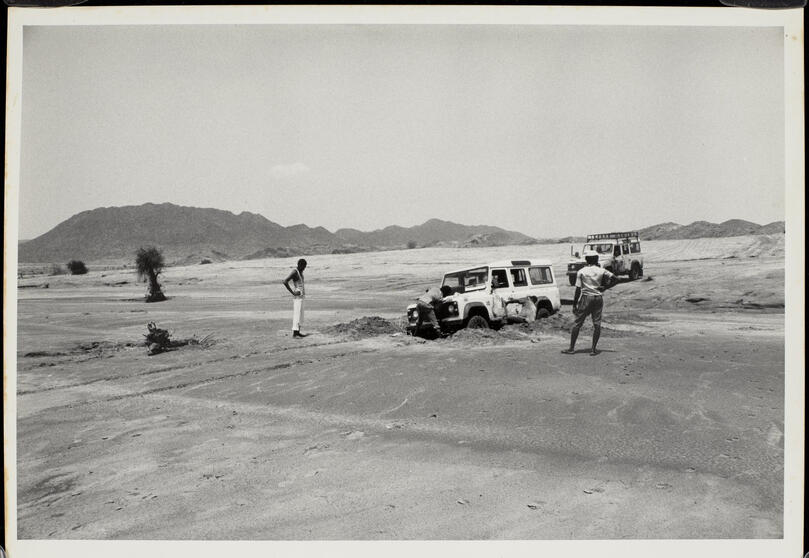
The humanitarian archive at the University of Manchester Library was founded in 2021, and it focuses on collecting at-risk personal or small organisational archives relating to humanitarianism.The archive consists of several individual collections currently, all from the 20th/21st century, all relating to a wide range of humanitarian work from all over the world, including medical humanitarianism, fundraising, aid supply, and emergency preparedness.If you are interested in finding out more or enquiring about donating to the archive, please follow the link below for more information.
Archiving Toolkit

The Digital Humanitarian Archives Toolkit is a practical guide designed to support humanitarian organisations in creating sustainable and accessible digital archives from the records generated through their work, including both fieldwork and office-based activities.